
Lesson 1 - The Gluten-free Diet: What can Patients with Celiac Disease Eat?
1.6 Treatment of CeD: the role of the dietitian and how to deal with non-adherence
 Because nutrition therapy is the only available treatment, it is essential to refer a newly diagnosed patient to an experienced dietitian/nutritionist. Unfortunately, this is not always routinely done and, in some countries, dietary counselling is not reimbursed by the healthcare system, preventing many patients from seeking consultation. However, a patient who never consults a dietitian/nutritionist is more likely to obtain inaccurate information from alternative sources leading to confusion, frustration and insufficient knowledge about the gluten-free diet. Physicians may not always have enough time or specialized knowledge to deliver such information (Case 2005, Rajpoot et al. 2015). A large prospective study in newly diagnosed adult patients with CeD from Finland showed that the patients were more satisfied with the gluten-free counselling by the dietitian than by a physician (Ukkola et al. 2012).
As poor knowledge is associated with a more negative attitude towards CeD and increases the risk of non-adherence, both the information about CeD given by the physician and the theory and practice around gluten-free diet detailed by a knowledgeable dietitian are of utmost importance.
Role of the dietitian in the follow-up
Pro-active follow-up is the key to dietary compliance. On one hand it is important to assess symptomatic recovery and to monitor complications, and on the other hand to provide assistance on the gluten-free diet. Assessing knowledge, competence and compliance and providing positive reinforcement are therefore also key-tasks in follow-up (Rashid 2012). Information and reassurance should be given in order to maintain motivation (Ludvigsson et al. 2014).
The dietitian is ‘’the specialist’’ on gluten-free diet and therefore also has a paramount role in the follow-up care. In a survey conducted among patients diagnosed with CeD in the UK during the previous ten years, only about 62% of the respondents received regular follow-up and almost half felt unsure as to whether they had really eliminated all gluten from their diet. For the follow-up, the majority of the respondents would prefer to see a dietitian in addition to the doctor (Bebb et al. 2006).
Non-adherence to the gluten-free diet
There is no clear data regarding the frequency of non-adherence. It is assumed that the percentage of non-adherers among patients varies between 5% and 70% (Hall et al. 2009, Zarkadas et al. 2006). This may be influenced by different factors. Non-adherence in turn reduces, among other outcomes, quality of life and the clinical benefits gluten-free diet brings. It may also lead to more consultations and increases the risk of long-term health complications (Bascuñán et al. 2017) (figure 9).
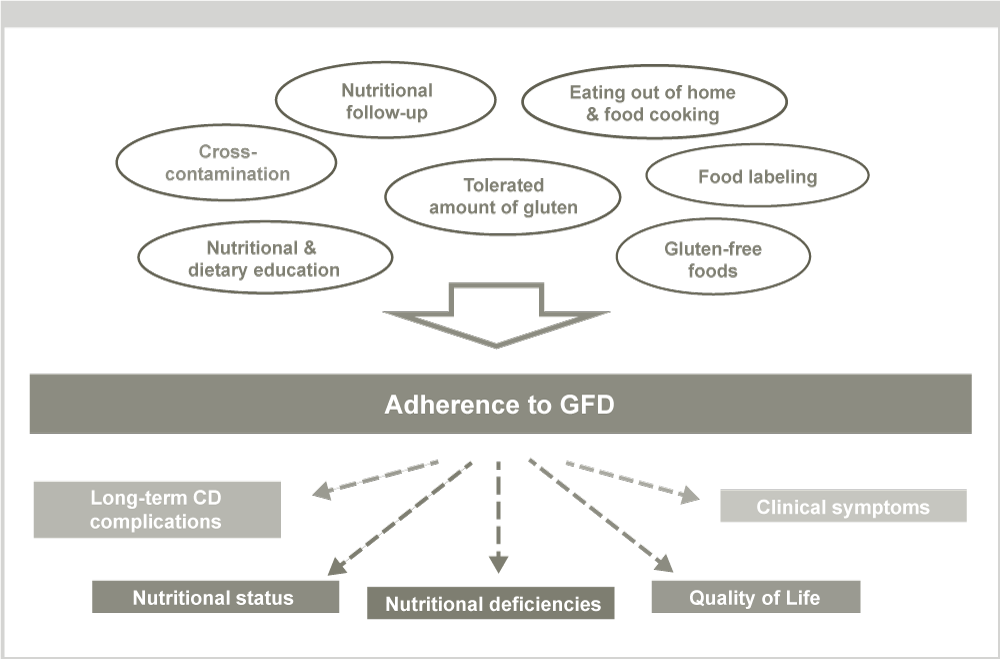
Figure 9 Factors that determine adherence to the gluten-free diet. Source: Bascuñán et al. 2017, p452, Fig. 1
Serological tests and dietary assessment are helpful tools to assess dietary adherence. Although most patients claim having a very high adherence, it has been found that when further questioned, most of these patients acutally report intentional non-adherence, especially when socializing with others (Lee et al. 2012).
Studies have shown that over time, virtually all CeD patients will experience symptoms due to gluten exposure with up to 30% of patients having symptoms severe or chronic enough to see their physician. Yet, not all patients have immediate symptoms, making it vital to monitor dietary adherence in all patients. Gluten exposure, inadvertent or deliberate, is the most frequent cause of persisting symptoms (Ludvigsson et al. 2014).
It is crucial that physicians and other health care professionals also understand the psychological and emotional aspects of chronic disease and a lifelong strict diet to support their patients in the process of coping with CeD and the gluten-free diet (Turner & Kelly 2000) (Unit 2, lesson 3).
Go to optional further reading.